


|
Quantity
|
Out of stock
|
||
|
|
|||
LED Strip Lights for Streets: Practical Tips and Benefits
Introduction
LED strips for streets are becoming increasingly popular due to their cost-effectiveness, durability and versatility. They are ideal for lighting building facades, decorating landscapes, as well as for illuminating advertising. In this article, we will look at why you should choose LED strips for streets, what advantages they have and how to choose the right strip that suits your needs.
1. What are LED strips for streets?
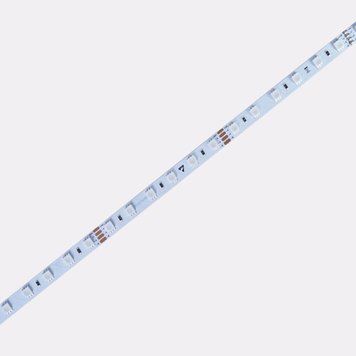
LED strips for streets — are flexible LED strips that have a waterproof and frost-resistant design. They are used to illuminate outdoor objects and can have different color temperatures and brightness levels, which allows you to create the desired atmosphere or highlight architectural elements.
- Types of LED strips for the street:
- IP65 — protection against water and dust, suitable for use in street lighting conditions.
- IP67 — high level of protection, can be used even with short-term immersion in water.
- IP68 — maximum protection against water, suitable for use in very humid conditions.
2. Advantages of using LED strips for the street
| Advantage | Description |
|---|---|
| Energy saving | LEDs consume significantly less energy compared to traditional lamps. |
| Durability | LED strips have a long service life, which reduces replacement costs. |
| Configurable | Easily configurable for different lighting options and color effects. |
| Waterproof | Due to the high level of protection against water, LED strips can be used outdoors in all weather conditions. |
3. How to choose LED strips for outdoors?
- Brightness: for outdoor lighting, it is important to choose strips with high brightness. Brightness is measured in lumens (lm), so choose a model with the required level of luminous flux.
- Protection level: for outdoors, choose strips with protection against moisture and dust, at least — IP65 level.
- Color temperature: Streets are best lit with cool white or warm white strips, as they provide optimal visibility and do not create unnecessary glare.
Where are LED strips for the street used?
- Facade lighting: for illuminating architectural elements of buildings, shop facades, restaurants, etc.
- Landscape lighting: for creating atmospheric lighting in gardens, parks and on the territory of private houses.
- Advertising and signs: for illuminating billboards and signs that attract attention.
- Light decorations: for creating holiday decorations, Christmas trees and other temporary structures.
5. Tips for installing LED strips for outdoors
- Surface preparation: Before installation, make sure that the surface is clean and dry. This will allow the strip to stick better and ensure its durability.
- Mounting: For outdoors, it is recommended to use special mounts or glue the strip with double-sided tape that is resistant to weather conditions.
- Ensuring ventilation: If you use the strips in closed or confined spaces, make sure they are well ventilated to avoid overheating.
6. Technical characteristics of LED strips for the street
| Characteristics | Description |
|---|---|
| Type of LEDs | SMD 5050, SMD 3528, or others, depending on power and brightness. |
| Brightness | From 1000 to 3000 lumens per meter, depending on needs. |
| Power consumption | From 7 W to 14 W per meter depending on the power of the strip. |
| Temperature range | From -30°C to +50°C, making the strips ideal for outdoor use. |
Conclusion
LED strips for outdoor use — are an effective and economical solution for outdoor lighting. They have a long service life, do not require a lot of energy and are ideal for a variety of applications. By choosing the right model at Artled, you can create lighting that will serve you for many years.