Chemical Resistance of Flexible Neon: Can It Be Used in Swimming Pools and Seawater?
Planning lighting for swimming pools, hot tubs, or coastal recreation areas requires special attention to materials. Standard LED lighting can fail within months due to exposure to harsh chemicals. In this article, we’ll explore which flexible neon can withstand the test of chlorine and salt.
.jpg)
Why Does Standard LED Neon Deteriorate in Water?
Most budget flexible neon models are made from PVC (polyvinyl chloride). While this material is flexible and inexpensive, it has significant drawbacks when in contact with chemicals:
-
Yellowing: Under the influence of UV rays and chlorine, PVC loses its transparency.
-
Cracking: Chlorine "dries out" the plasticizers in PVC, making the casing brittle.
-
Corrosion: Even the smallest micro-crack leads to water reaching the diodes, causing circuit board corrosion.
PVC vs Silicone: Which to Choose for a Pool?
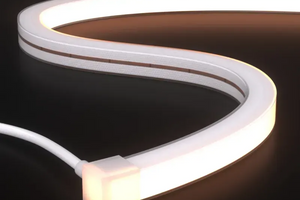
For harsh environments, professionals choose silicone flexible neon. Here is a comparison to help you decide:
| Feature | PVC Flexible Neon | Silicone Neon (Professional) |
| Chlorine Resistance | Low (hardens quickly) | High (inert material) |
| Seawater (Salt) | Medium | High (does not oxidize) |
| Operating Temp | -20°C to +40°C | -40°C to +60°C |
| UV Protection | Yellows over time | Maintains color for years |
Use in Chlorinated Water
Chlorine is a strong oxidant. For lighting a pool basin, it is necessary to use models with an IP68 protection rating and a food-grade or medical-grade silicone casing. It does not react with disinfectants, maintaining airtightness and light brightness.
Seawater and Salt Spray
Salt destroys metal parts and standard plastic. If you are setting up an area by the sea, choose with increased chemical resistance. Silicone protects the internal board from electrochemical corrosion, even in salty mist.
Important Installation Rules for Harsh Environments
Even the most durable neon will fail if mistakes are made during installation:
-
Joint Sealing: Use only specialized neutral silicone sealant. Acidic sealants (vinegar smell) can damage the diodes.
-
IP68 Protection Class: Only full sealing allows for underwater submersion. For contour lighting above water, IP67 is sufficient.
-
Power Supply: Always place power supplies in a dry, ventilated room. Water and electricity are a dangerous combination. You can choose a reliable power supply in our dedicated section.
Conclusion
Can flexible neon be used in swimming pools? Yes, but only if it is specialized silicone neon with IP68 protection. This is an investment that pays off with a long service life and safety.
In the Artled range, you will find professional solutions for any conditions — from a cozy bathroom to large-scale water parks.