What Is a Diode in Simple Terms
A diode is an electronic semiconductor component that allows electric current to flow in only one direction.
Its main function is to control the movement of electricity in a circuit. If the current is supplied in the correct direction — the diode works. If in the opposite direction — it blocks it.
This property is the foundation of how the following devices operate:
-
power supplies
-
electronic circuit boards
-
chargers
-
and most importantly — LED lighting
What Is a Light-Emitting Diode (LED)?
A light-emitting diode (LED — Light Emitting Diode) is a type of diode that emits light when electric current passes through it.
Unlike a regular diode that only controls current, an LED:
✔ converts electrical energy into light
✔ is highly energy efficient
✔ generates very little heat
✔ lasts 30,000–50,000 hours
LEDs are used in LED strips.
How Diodes Work in an LED Strip
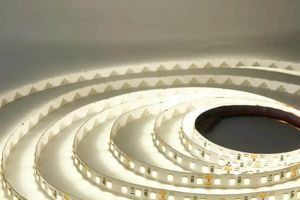
Each LED strip contains dozens or hundreds of small SMD diodes (2835, 3528, 5050, etc.).
Each element:
-
operates on 12V or 24V power
-
emits light at a specific color temperature
-
works in a circuit together with other diodes
View all available options in the catalog:
ARTLED LED Strips
Comparison: Regular Diode vs LED
| Characteristic | Regular Diode | LED |
|---|---|---|
| Allows current in one direction | ✔ | ✔ |
| Emits light | ✖ | ✔ |
| Used in lighting | ✖ | ✔ |
| Energy consumption | Low | Very low |
| Lifespan | High | Very high |
Main Types of LEDs in Strips
.jpg)
SMD 2835
✔ High brightness
✔ Energy efficient
✔ Suitable for main lighting
SMD 5050
✔ RGB
✔ Color-changing capability
✔ Decorative lighting
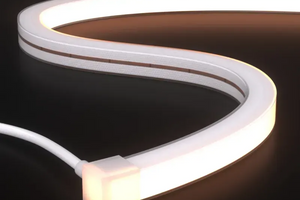
COB LED
✔ Continuous line of light
✔ No dotted effect
✔ Premium lighting solution
Why Are LED Strips So Popular?
.png)
LED strips offer key advantages:
-
low energy consumption
-
long lifespan
-
safe low voltage
-
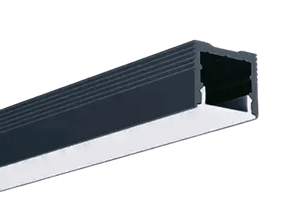
can be installed in aluminum profiles
-
wide range of color temperatures
For example:
Warm light 2700K — for a cozy atmosphere
Neutral light 4000K — a universal solution
Cool light 5000K — ideal for work areas
Frequently Asked Questions
What is the difference between a diode and an LED?
An LED is a type of diode that emits light.
Why does an LED strip require a power supply?
Because diodes operate on direct current (12V or 24V).
Do LEDs produce heat?
Much less than incandescent bulbs, but for longer lifespan, installation in an aluminum profile is recommended.
Which LED strip is better?
For main lighting — 24V, SMD 2835.
For decorative purposes — RGB or COB.
Conclusion
A diode is the foundation of modern electronics.
An LED is a diode that emits light.
An LED strip is the practical application of this technology for modern, energy-efficient, and stylish lighting.
You can choose high-quality LED strips in the ARTLED catalog.