Thermal Control of LED Strips: Key to Longevity and Stable Performance
Effective heat dissipation is one of the key factors affecting the performance and lifespan of LED strips. Proper thermal regulation, the use of high-quality components, and adequate ventilation are the foundation of any reliable lighting project.
LED lighting is rapidly evolving and finds applications in various areas — from decorative lighting to large-scale architectural solutions. LED strips are particularly popular due to their flexible form factor, compactness, and versatility. However, before installation, it is important to consider one critically important aspect — temperature control.
How Heat Affects LED Lifespan
LEDs are known for high luminous efficacy and long service life — up to 50,000 hours or more (until light output decreases to 70%). But these figures are only achievable with proper heat management.
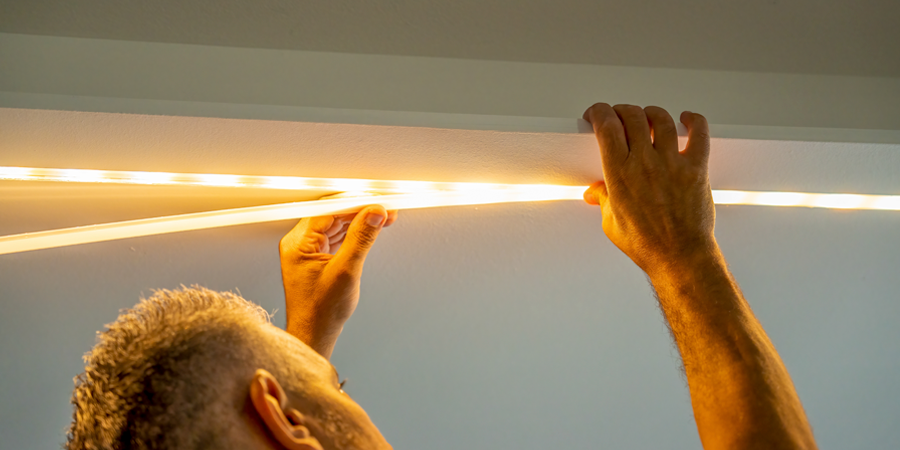
Excessive chip temperature significantly reduces LED lifespan. Even a slight increase in temperature can shorten the lifespan by more than 50%. That’s why proper installation, high-quality aluminum profiles, and stable power supply are crucial.
Temperature control is especially important in:
-
outdoor installations,
-
industrial facilities,
-
niches and enclosed spaces,
-
furniture lighting (under cabinets, in display cases, etc.)
Two Key Temperature Parameters
When selecting and installing LED strips, it is necessary to consider two parameters:
Ambient Temperature
The allowable temperature range in which the strip can operate without risk of damage.
Operating Temperature (Case Temperature)
The temperature reached by the strip itself during operation.
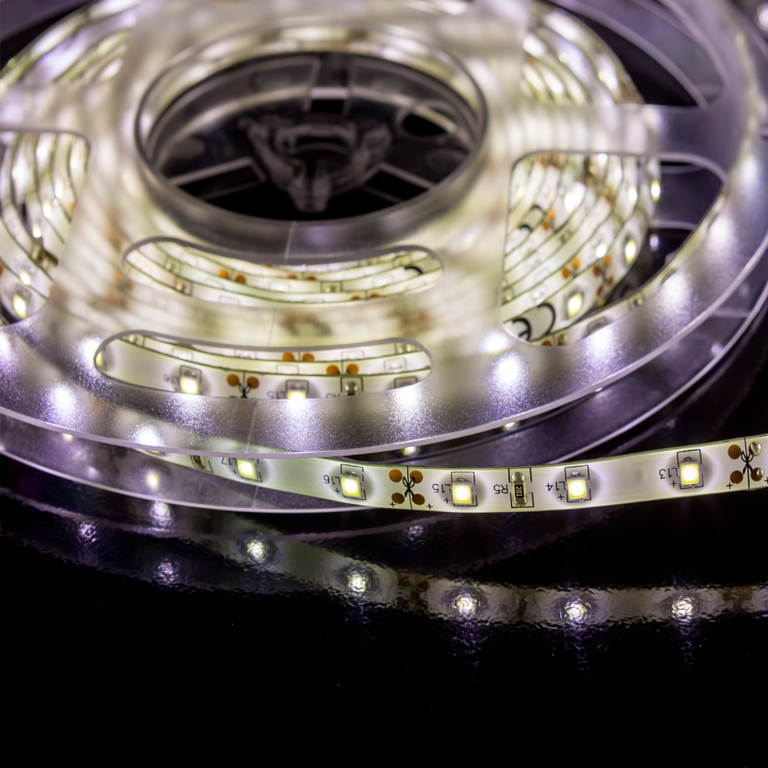
Even if room temperature is normal, lack of ventilation can cause heat accumulation. Therefore, in enclosed constructions, heat dissipation through aluminum profiles or other thermally conductive surfaces must be provided.
Role of Aluminum Profiles and Component Quality
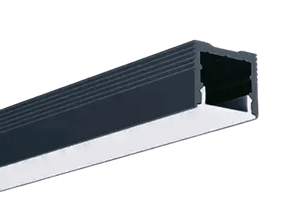
One of the most effective ways to reduce the operating temperature of an LED strip is to use aluminum profiles. They act as a heat sink, evenly dissipating heat and extending the lifespan of the lighting.
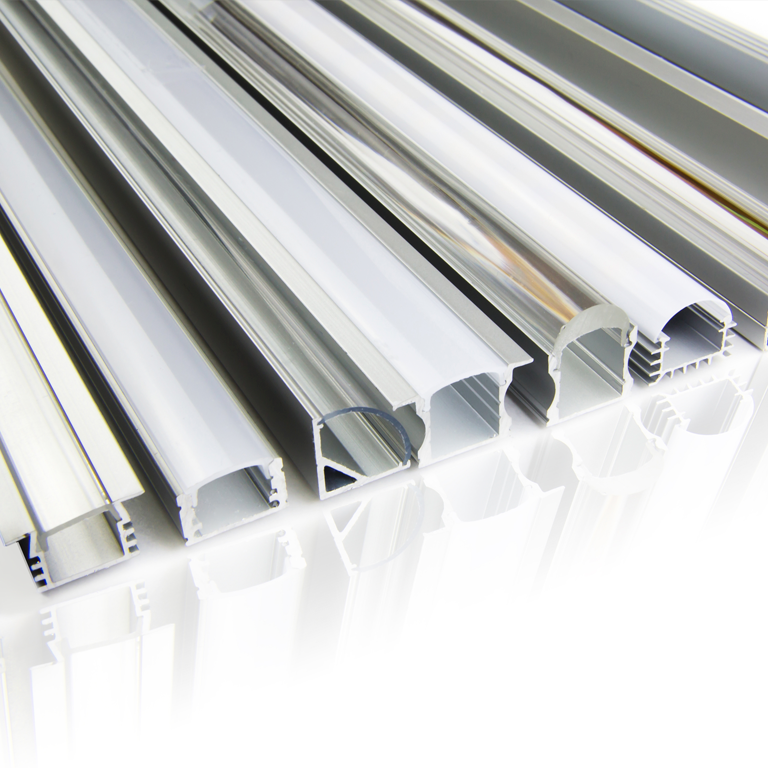
However, the profile is only part of the system. Equally important are:
-
quality of LED chips,
-
PCB thickness,
-
stability of the power supply,
-
correct power selection,
-
quality of soldering and components.
Cheap materials or improper component selection can lead to overheating, reduced brightness, and premature failure.
Ventilation and Proper Installation
When installing LED strips in furniture or niches, it is necessary to ensure:
-
air circulation,
-
mounting on a thermally conductive surface,
-
adequate power supply margin (20–30%),
-
avoid installation near heat sources.
Proper installation is not only aesthetics, but also technical safety.
Professional Solutions by ARTLED
When choosing LED strips for your project, it is important to consider not only brightness or color, but also technical specifications and heat dissipation system.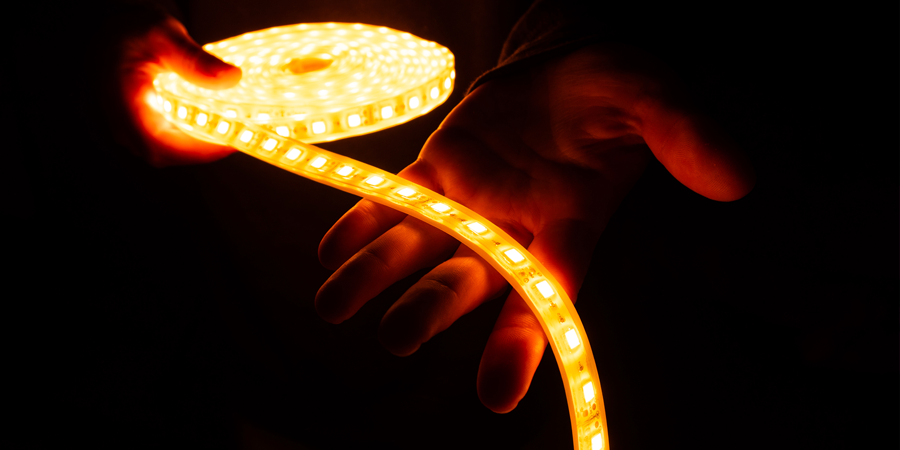
The ARTLED team can help:
-
select the optimal LED strip,
-
calculate power and power supply,
-
choose aluminum profiles,
-
ensure longevity and stable system performance.
Whether it’s kitchen lighting, a commercial space, or a large architectural project — proper thermal control ensures the lighting lasts long, performs stably, and is safe.
Conclusion
LED strip thermal management is not an optional feature but a necessary condition for quality lighting. Investing in reliable components and proper installation ensures maximum lifespan and efficiency of your LED system.
For consultation or help with selection, contact ARTLED specialists. Proper heat management ensures light that works for years.