Modern lighting options offer a wide variety for implementing the most unusual solutions. Various LED strips are extremely popular, with flexible neon occupying a special place among them. It is widely used in interiors, outdoor advertising, furniture lighting, display cases, and architectural elements. However, those encountering this type of strip for the first time naturally have questions about how to work with it. Today, we'll explain whether neon strip can be cut and how to do it correctly.
What is neon tape?
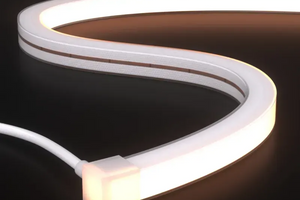
Neon strips flexible neon, also known as flex neon, is a modern lighting option that is increasingly popular among users. The main feature of flexible neon is its structure. Unlike traditional LED strips, the LEDs are sealed in a flexible PVC sheath. The number of LEDs per meter is quite high, which ensures intense illumination. The neon tube effect is achieved through a frosted diffuser.
Another important feature of neon tape is its flexibility, which allows it to be molded into virtually any shape. This allows for the most daring design solutions.
Flexible neon comes in monochrome or color, making it suitable for use not only in interiors but also in many other fields. Furthermore, it offers a high level of protection, allowing it to be installed not only indoors but also outdoors. This lighting is reliable, energy-efficient, safe, and environmentally friendly.
Installing and connecting neon strips is easy because they can be cut. However, experience and proper installation techniques are essential.
Cutting flex neon: if so, when?
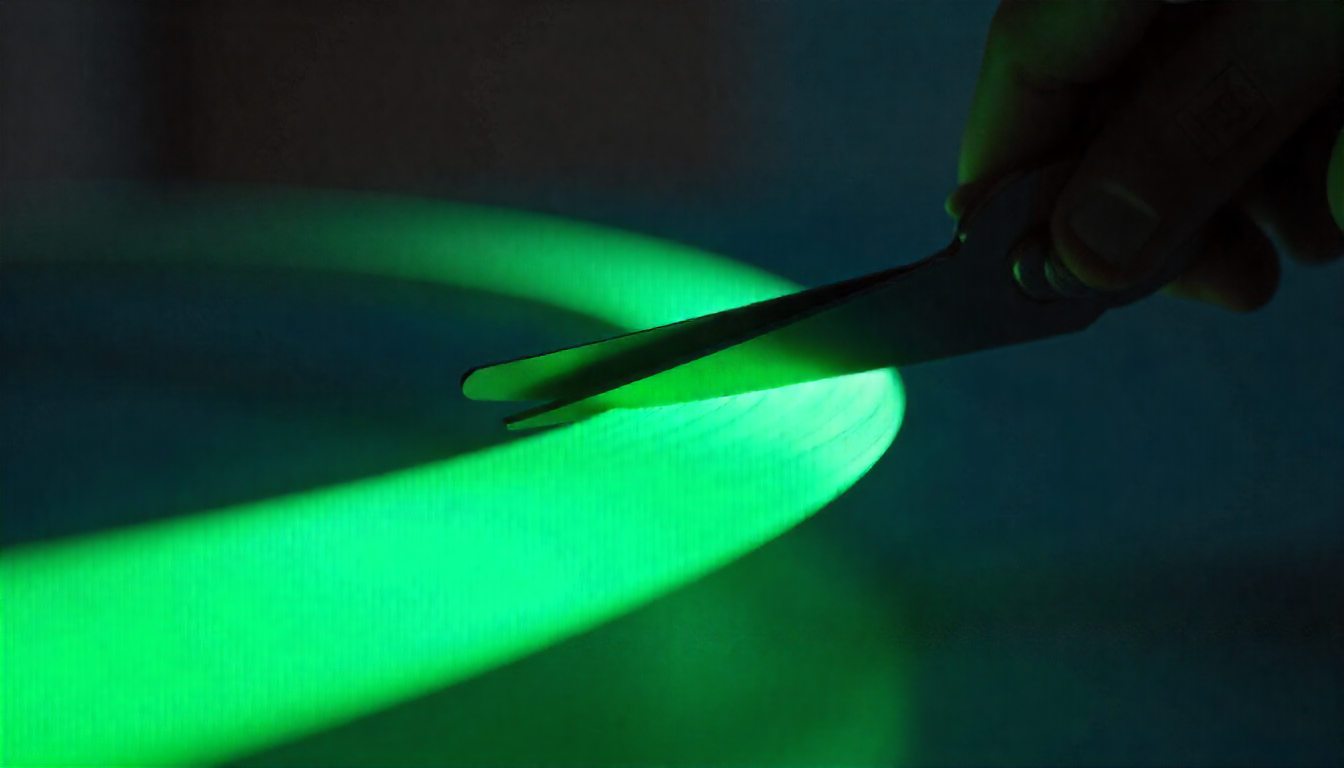
Neon strip can be easily cut, but to do so correctly, you must follow the instructions. Otherwise, you risk damaging the LEDs and rendering the strip inoperable. Therefore, flex neon strips should only be cut in specific areas.
Responsible and reliable manufacturers immediately indicate where the neon strip can be cut. These areas can be marked with scissors or a line. These areas do not contain LEDs, but contain contacts that can be safely separated with care. This minimizes the risk of errors, allowing even inexperienced users to cut the strip correctly.
Cutting neon strips often requires adjusting their length to suit specific operating conditions. Every room has its own size and shape, as well as design requirements. Therefore, ready-made strips are not always suitable. Cutting them allows you to achieve the desired length and create aesthetically pleasing and functional lighting, even for complex lighting solutions.
Cutting accuracy is also important for optimal energy consumption. Excessive length will create excess light and increase energy consumption. By cutting the strip correctly, you'll make it more environmentally friendly, safer, and more energy-efficient.
Cutting Features of Various Neon Strips
The so-called cutting "pitch" may vary between different manufacturers and tape types. For standard interior neon tape, the cutting frequency is typically 4-5 cm. If you're considering high-density flex neon, it may offer a more frequent cutting frequency, every 1-2 cm.
Cutting neon tape in other places is not recommended, as this may lead to negative consequences such as:
- break in conductive paths;
- failure of some LEDs or the entire flexible strip;
- breach of structural integrity;
- moisture penetration into the PVC shell;
- short circuit;
- reduction of service life.
When cutting any neon strips, it's important to use the right tools. Ideally, use a utility knife or sharp scissors. This will ensure the cleanest and most precise cut. The cut should be straight and perpendicular to the direction of the strip.
After cutting, it's important to seal the ends to protect the electrical circuits from dust and moisture. This is especially critical in challenging operating conditions, such as outdoors, high humidity, or temperature fluctuations. Keep in mind that high-voltage tape types may require special plugs for safety.
Common mistakes
When working with neon tape, people often make mistakes due to carelessness, inattention, or simply ignorance. Among the most common are:
- Arbitrary cutting. If you're working with this type of tape for the first time, there's a risk of cutting the tape in the wrong place, which could cause damage or a short circuit.
- Uneven cut. If you don't cut precisely along the line, you risk damaging the LEDs and impairing the functionality of your flexible neon strip.
- Using the wrong tool. Dull scissors, kitchen knives, hacksaws, and serrated blades can damage the casing, damage the internal structure, and leave microcracks.
- Cutting under power. It's important to disconnect the flexible strip from the power supply before cutting. Otherwise, a short circuit, damage to the power supply, or even electric shock may occur.
- Lack of sealing. This could allow dust and moisture to enter the strip in the future, causing the contacts to corrode. As a result, the strip will begin to flicker and eventually fail completely.
Thus, flexible neon can be cut. However, it's important to strictly follow the manufacturer's simple guidelines and recommendations. If you're inexperienced with flex neon, it's best to entrust this work to professionals who will quickly and accurately cut and install it.