LED strip is not just a fashionable element of decor, but a universal lighting tool that finds application in various fields: from interior design to industry and street lighting. You may have seen it on the ceiling of a cafe, in a shop window or even in the headlights of a car, but you did not think about how multifunctional it is. In this article I will tell you about all the main ways to use LED strip – and you will see for yourself that it is truly an indispensable thing in the modern world. Whether it is coziness in an apartment, lighting a work area or bright advertising – there is a place for this compact, economical and bright light source everywhere.

Using LED strip
For bath and sauna
LED strip for sauna must be resistant to high temperatures and moisture. Heat-resistant strips with silicone coating or special protection IP67–IP68 are used. Main advantages:
- creating a relaxing atmosphere due to warm white or colored light;
- possibility of installation under benches, behind backrests or in the steam generator area;
- safe voltage (12V or 24V).
For shop windows and retail equipment
In the commercial sector, LED strip is often used for:
- illuminating shop windows, shelves, refrigerated display cases;
- focusing attention on goods;
- energy saving due to low consumption electricity.
LED strip in display windows allows you to improve visual perception of products and create a spectacular lighting design.
For the ceiling
One of the most common options is installing LED strip for a stretch or plasterboard ceiling. Possible solutions:
- contour lighting of the ceiling (the effect of a "floating ceiling");
- interior lighting with diffusers;
- brightness and color control using controllers.
This approach allows you to zone the space, create soft diffused light and modern interior.
Decorative lighting
LED strip — ideal tool for decorative lighting:
- illumination of paintings, niches, mirrors, furniture;
- decoration of festive events (weddings, birthdays);
- interactive light installations.
The availability of RGB strips allows you to change the colors and dynamics of the lighting.
For the street
For street lighting, strips with a high degree of protection (from IP65 to IP68) are used. They are used:
- for lighting facades of buildings;
- lighting gazebos, paths, landscape design;
- in outdoor advertising.
Thanks to moisture and dust protection, such a strip can withstand various weather conditions.
For the kitchen
The LED strip in the kitchen is usually installed:
- under cabinets to illuminate the work area;
- in the baseboards of furniture;
- to create a decorative effect with RGB or warm light.
It provides additional functional lighting, reducing shadows in the work area.
Main lighting
Modern high-brightness LED strips can completely replace traditional light sources. They are used:
- in residential areas (living rooms, bedrooms);
- offices;
- public spaces.
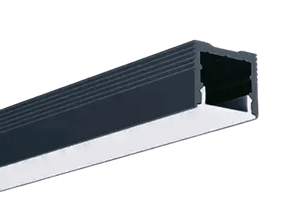
The use of aluminum profiles and diffusers improves heat transfer and visual quality of light.
For swimming pools and aquariums
For swimming pools, waterproof LED strips with a silicone coating or a fully sealed housing are used. They are mounted:
- around the perimeter of the bowl;
- in decorative niches;
- for underwater lighting.
In aquariums, LED strip allows:
- to maintain the optimal light spectrum for plants and fish;
- to create an aesthetic composition;
- to save electricity thanks to LED technology.
Side glow
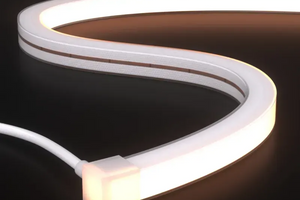
Side-view LED strip is used:
- in signs, volumetric letters;
- in decorative panels and light tracks;
- in furniture structures with a narrow profile.
Its design allows it to shine not up, but sideways, which provides a specific direction of the light flux.
Advantages of using LED strip
- Energy efficiency — consumes several times less electricity than incandescent lamps.
- Durability — service life up to 50,000 hours.
- Flexibility of installation — possibility of installation in hard-to-reach places.
- Safety — operates on low voltage (12V or 24V).
- Design freedom — large selection of colors, light intensity, control.
Conclusion
LED strip — is a modern and universal solution for lighting of any type: from decorative lighting to full-fledged main lighting. Thanks to its wide range of applications, it has become indispensable in everyday life, design, commerce and technical fields.