LED strip lighting is becoming an increasingly popular solution for creating lighting in various spaces. However, to enjoy all the benefits of LED strip lighting, it's important to ensure proper installation and choose all the necessary fasteners wisely. This requires taking many nuances into account. Today, we'll cover the most important part: how to secure the strips profile for LED strip, depending on the materials of your ceiling.
What surfaces can an aluminum profile be attached to?
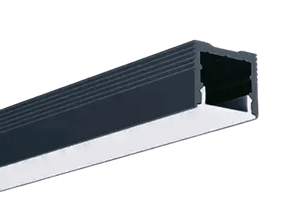
The choice of mounting method directly depends on the substrate, as each material has its own characteristics. The strip is primarily mounted to an aluminum profile, as it has a number of characteristics that create optimal conditions for the long-term operation of this type of lighting. These include:
- uniform heat distribution;
- preventing overheating of LED strip;
- protection against mechanical damage;
- preventing the penetration of dust and other contaminants;
- ensuring ideal geometry for a smooth light line;
- possibility of additional installation of a diffuser;
- ease of installation and maintenance.
Thanks to the aluminum profile, your LED strip will maintain its brightness for a long time, and the resistors and contact tracks will not burn out. This makes it the most cost-effective and professional installation option.
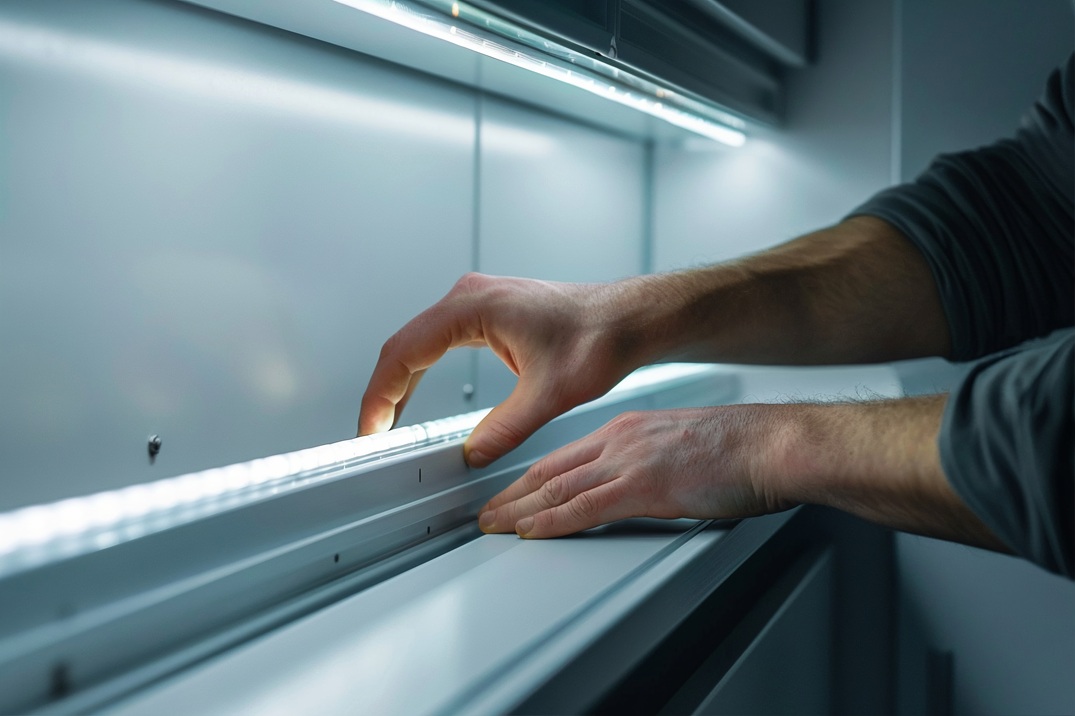
The importance of choosing the right fastener
The reliability of the connection and uniformity of the light output of your LED strip depend on the correct choice of mounting method. Installation errors can lead to profile deformation, reduced heat dissipation, and premature failure of the LED strip. Therefore, the mounting method should always be selected based on the base material and the specific design features.
High-quality fixation can be achieved on a wide variety of substrates. Among the most common materials to which the profile is attached are:
- plasterboard (this material allows you to hide the lighting by easily hiding the wires in the box);
- metal (this is the most durable and stable surface that does not require complex preliminary preparation);
- wood (this material is versatile, easy to process and can provide reliable fastening);
- concrete (a strong but rigid material that requires proper processing and careful selection of fasteners, and is also difficult to work with).
Recommendations for installation on various surfaces
To avoid mistakes and ensure long-lasting, reliable operation of your LED strip, we offer basic tips for attaching the profile to various materials:
- Attaching to drywall. While this type of base has its advantages, drywall itself is quite sensitive and can crumble. Depending on the profile type, we recommend using:
- butterfly dowel;
- mounting clips;
- glue (optimal for lightweight profiles).
When using dowels, it's important not to overtighten the screws, as this will cause cracks in the drywall. If installing in recesses, reinforce the frame and ensure proper heat dissipation to prevent your tape from overheating.
- Attaching to a wooden base. Wood is a fairly flexible material, allowing the profile to be installed in virtually any way. The surface doesn't require any special pre-treatment or degreasing. Simply wipe it with a damp cloth and let it dry until it's clean and dry. For wooden bases, you can use:
- wood screws;
- mounting clips;
- glue.
It is recommended to maintain a small gap between the profile and the wooden surface to ensure optimal heat dissipation.
- Attaching to a concrete base. This surface is reliable, but requires special preparation. It is recommended to use a grinder and sandpaper to remove any possible imperfections to ensure a high-quality profile attachment. Furthermore, if screws are used for installation, the concrete will require pre-drilling. In general, depending on the situation, the following can be used for fastening:
- dowels (with screws);
- anchors;
- construction adhesive.
- Mounting to a metal surface. Although this type of base is considered durable, it requires care when attaching the LED strip profile. In addition to cleaning, the surface will need to be thoroughly degreased.
The preferred method of fastening is using a special silicone-based adhesive sealant or acrylic tape. For additional strength, this method can be combined with mechanical fastening using metal screws or rivets.
Useful tips for installing aluminum profiles
When installing an aluminum profile for LED strips, it is also recommended to follow several rules:
- the distance between attachment points should be no more than 50 cm;
- It is important to use quality tools that are suitable for certain surfaces;
- It is necessary to select the optimal fastening method in accordance with the operating conditions.
This way, you can ensure secure fixation, no sagging of the structure, correct installation and adjustment of the clamping elements, as well as a long service life of the future lighting.
To make the best choice and ensure proper installation of aluminum LED strip profiles, you can always consult with professionals. They will help you select the optimal profile and mounting method for your surface, and will also perform professional installation in the shortest possible time. This will help you avoid common mistakes and ensure the results meet your expectations.