Using LED strip lighting is a common practice, used not only in homes but also in offices and many other spaces. This solution offers numerous advantages, including safety, energy efficiency, and a harmonious blend of lighting with the surrounding interior. Proper use of LED strip lighting requires careful attention to detail, including not only the profiles and connectors, but also the lighting controls. These include dimmers, which allow LED strip lighting to provide truly high-quality illumination. What are these, and how do you make the right choice?
What is dimming?
This process involves controlling the intensity of the LED strip's light output. This solution is implemented using specialized devices known as dimmers. Their operating principle is quite simple. Depending on the specifics of your strip and its control system, the devices can be connected directly to the power supply or to a controller. The key is that the dimmer operates on the same voltage as the strip itself.
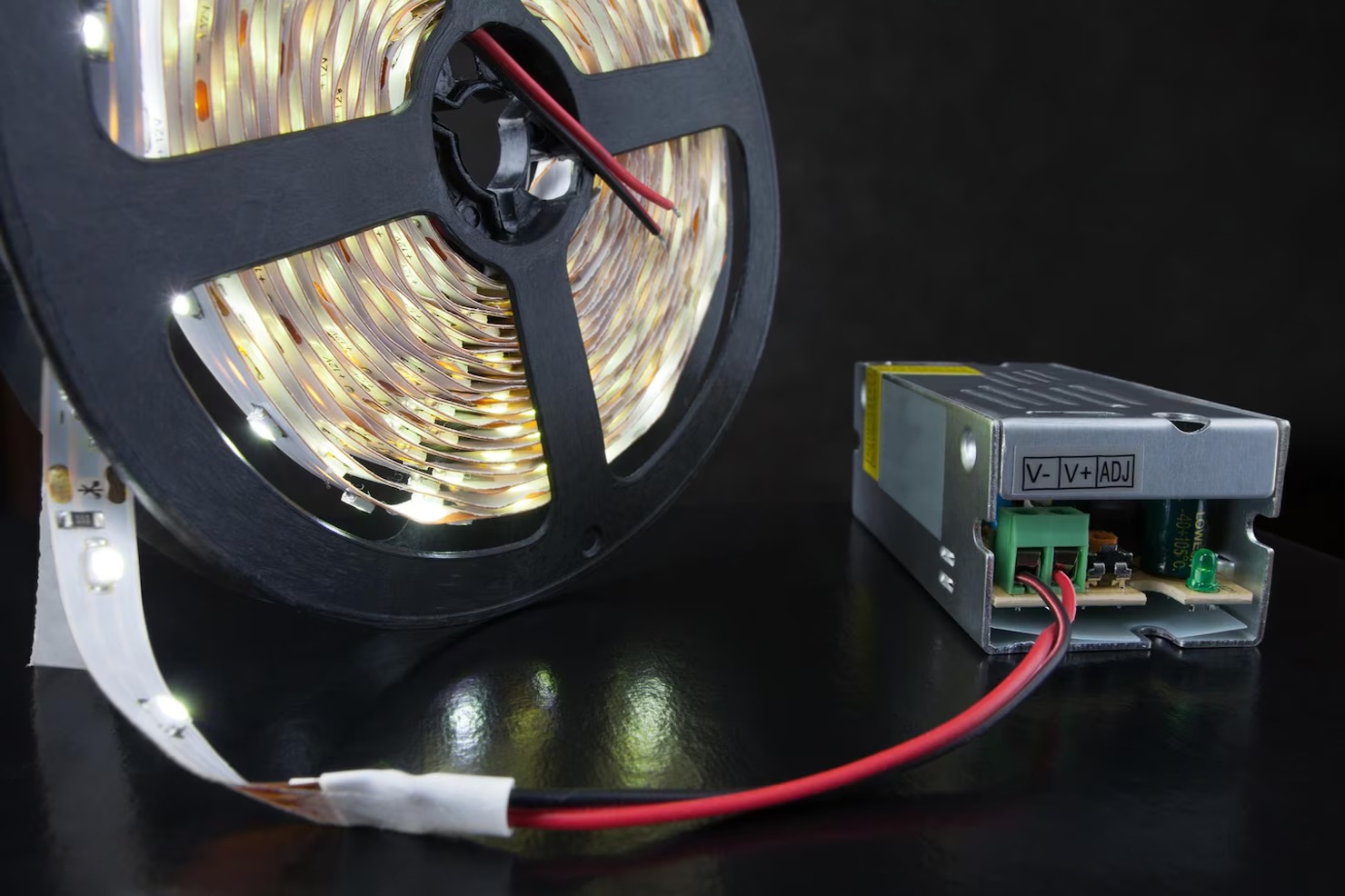
The main task of dimmers is to change the pulse-width modulation, due to which power is supplied to the LED strip in short pulses, changing the current strength or phase control.
Dimmers for LED strips can perform several useful functions, including:
- Brightness control. These devices allow you to adjust brightness from minimum to maximum, depending on your needs, time of day, and other conditions.
- Customizing lighting scenarios. Modern devices can remember brightness settings. Preset settings can be accessed using a remote control or an app, depending on the version of your lighting equipment.
- Providing remote control. Various dimmer models allow you to control lighting using a button on the device, a remote control, and more advanced models allow you to control the lighting from a smartphone or even by voice.
- Setting timers and schedules. Using smart dimmers, you can control when your lights turn on and off. This can help you save energy and improve security even when you're away.
- Smooth on/off settings. These devices eliminate the need for abrupt backlight switching. Now the light will turn on and off smoothly, not only ensuring eye comfort but also reducing strain on the strip itself.
- Powerline protection. High-quality devices feature additional protection against overheating and short circuits, which not only enhances safety but also extends the overall lifespan of your backlight.
- Minimizing flicker. Many dimmer models have a built-in function that can reduce light flickering. This is an indispensable solution for children's rooms and other spaces where minimizing eye strain is important.
Rules for choosing a dimmer
There are several factors to consider when choosing a device. The most important ones are:
- Dimmer type. Devices can be digital, phase-controlled, analog, or pulse-width modulated. Each dimmer for LED strips Each LED strip dimmer has its own unique properties and is compatible with certain types of LED strips. The most common are phase-controlled dimmers, which are compatible with most strips and operate by changing the phase of the power supply to the lighting. Digital models, which provide precise and flexible control, are also often used.
- Device compatibility with the strip. It's important to understand that certain strip models are compatible with specific types of dimmers. Furthermore, some LED strips don't support dimmers at all due to the lack of a dedicated driver built into the base. Compatibility is affected by the strip's color characteristics, the use of controllers, and many other factors.
- Dimming range. Strips can have different dimming ranges, which should be tailored to the specific needs of the selected devices.
- Device quality. Incorrectly selected or low-quality devices can have the opposite effect, such as increased flickering. Therefore, it is recommended to choose only reliable equipment.
Power is key when choosing dimmers. In this case, simply follow these simple guidelines:
- Check the wattage of your LED strip. This parameter is specified per meter of length. Therefore, you will need to calculate the total wattage for the entire length.
- Provide sufficient power reserve. It's important to ensure the selected dimmer doesn't overwork itself. To achieve this, it's recommended to add an additional 20-30% to the calculated power.
- Consider the supply voltage. Your dimmer should operate on the same voltage. Most commonly, this is 12, 24, or 48 V.
It's also important to consider the connection method and the number of channels. Single-channel dimmers are sufficient for single-color LED strips, while RGB and RGBW options require a device with multiple control channels. If you plan to connect long strips, be sure to use signal amplifiers to avoid overload and overheating.
An additional advantage of modern dimmers is the ability to integrate into a smart home system, making lighting control as convenient and functional as possible. A well-chosen dimmer will not only extend the lifespan of your LED strip but also create a comfortable atmosphere in any room. If you have any difficulties choosing a dimming device, you can always contact a professional who will help you make the best choice and ensure proper installation and connection.