LED strips of various types are becoming increasingly popular in modern interiors and exteriors. They are an effective, cost-effective, and safe way to create stylish, high-quality lighting. Proper installation and the careful selection of fasteners are crucial. This ensures that both neon and rigid LED strips will last a long time and provide all the benefits. To achieve this, we suggest familiarizing yourself with the intricacies of profile selection.
Flexible neon or rigid tape?
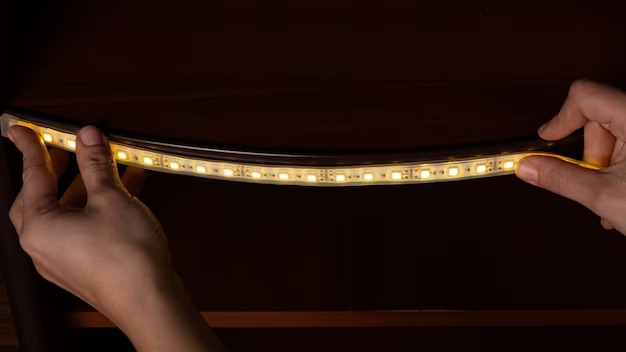
Today's lighting options offer a wide range of possibilities, allowing people's imaginations to run wild. When choosing between flexible neon and rigid strip lighting, it's important to understand the features and advantages of each.
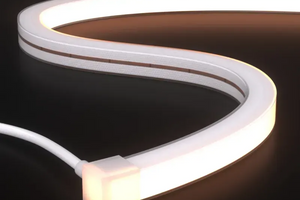
By choosing flexible neon, you get:
- uniform illumination, creating a continuous line of light;
- wide dispersion angle;
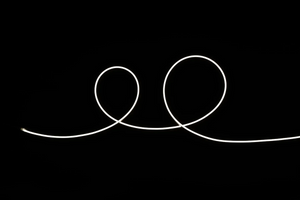
- flexibility and the ability to adjust the light to any shape;
- cutting capability;
- optimal brightness.
This option is well suited for decorating interiors and exteriors, creating accents and decorative elements.
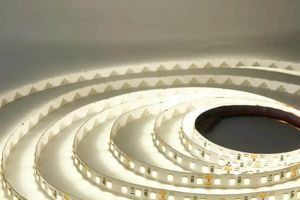
As for the rigid LED strip, it is characterized by:
- point glow;
- limited dispersion angle;
- affordable cost;
- reduction in the uniformity of glow on bends.
This type of tape is good for hidden lighting, creating a dynamic effect, or highlighting individual interior elements.
Despite some differences, both types of tapes offer energy efficiency, safety, a wide range of colors, and the ability to select a product with the required level of moisture and dust protection.
Profile Features
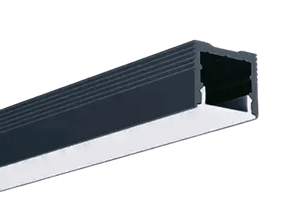
A profile is a rigid or flexible cable channel with holes or other elements. The choice of profile is always determined by the characteristics of the strip itself. It's worth noting that high-quality LED profiles are always used to install this type of lighting. These fastening elements serve several functions, namely:
- protection of the tape from mechanical damage;
- ensuring stable functioning;
- ease and reliability of installation.
The highest-quality profiles are made of aluminum or silicone. These materials have excellent heat-dissipating properties, preventing the tape from overheating and extending its service life.
Choosing a profile for flexible neon
The main criterion for choosing a profile in this case is the specific application of the neon strip. Aluminum is a good choice, as it provides optimal flexibility, heat dissipation, protection from overheating, and maximum durability for your lighting. However, bending capabilities in this case will be limited. Specific characteristics always depend on the profile, so it's important to research them in advance. On average, the maximum bending radius of an aluminum profile is approximately 50 cm.
For more complex structures requiring significant bending, a silicone profile is a good choice. It can be molded to any shape while providing protection from dust, moisture, and overheating.
There's also the option of using a budget-friendly plastic profile. This will save money when there are no special requirements for strip installation. However, this material is less durable and dissipates heat poorly, which will impact the lifespan of your lighting.
Choosing a profile for a rigid LED strip
When it comes to rigid LED strips, profile selection remains equally important. Because this strip is less flexible, it's crucial to properly secure it to the profile to avoid deformation or damage. Aluminum profiles are often chosen for rigid strips, as they provide a secure fit and good heat dissipation. As with flexible neon, aluminum prevents overheating and helps maintain stable performance throughout the strip's lifespan.
However, rigid tape doesn't have such impressive bending capabilities, so a rigid profile is used. These profiles come in a variety of designs, allowing you to choose the optimal option for specific tasks. Among the most common options are:
- Rectangular profiles. They are ideal for concealed mounting and straight installation. These profiles ensure secure strip fastening, improving heat dissipation and extending the service life. They are an ideal choice for general or accent lighting.
- Corner profiles. They provide aesthetically pleasing strip placement in corners, niches, and wall joints, allowing for full-fledged illumination. They are an ideal choice for display cases, retail fixtures, ceilings, etc.
- Square profiles. They have increased depth, ensuring uniform illumination. These profiles are primarily used for furniture.
- Round profiles. These are the ideal choice for creating straight or curved lines, round pendant lights, etc.
- Flat profiles. This is an excellent choice for limited spaces. Flat profiles are often used for concealed mounting when creating subtle lighting along baseboards, under furniture, or in recesses.
General recommendations for choosing a profile
To ensure that the profile is ideally suited for flexible neon or rigid tape, several factors must be taken into account:
- Installation conditions (indoor or outdoor, in humid or high-temperature conditions) will allow you to choose a standard profile or a more protective element.
- Application Features. Depending on the specific lighting or lighting structure being created, a profile with a certain degree of flexibility is selected. The profile shape is also important, as it ensures ease and reliability of installation in specific locations.
- Power and load. It's important to consider the power rating of the strip, as higher-power strips generate more heat. For these strips, it's best to choose a profile with improved heat dissipation. This will prevent overheating and extend the strip's lifespan.
Choosing profile for LED strip or flexible neon, always give preference to high-quality and reliable fasteners.